Solar Panel Cleaning Solution: The Better Solar Output
September 14, 2026
Solar Module Cleaning Robot by Solabot Technologies Pvt Ltd
September 19, 2026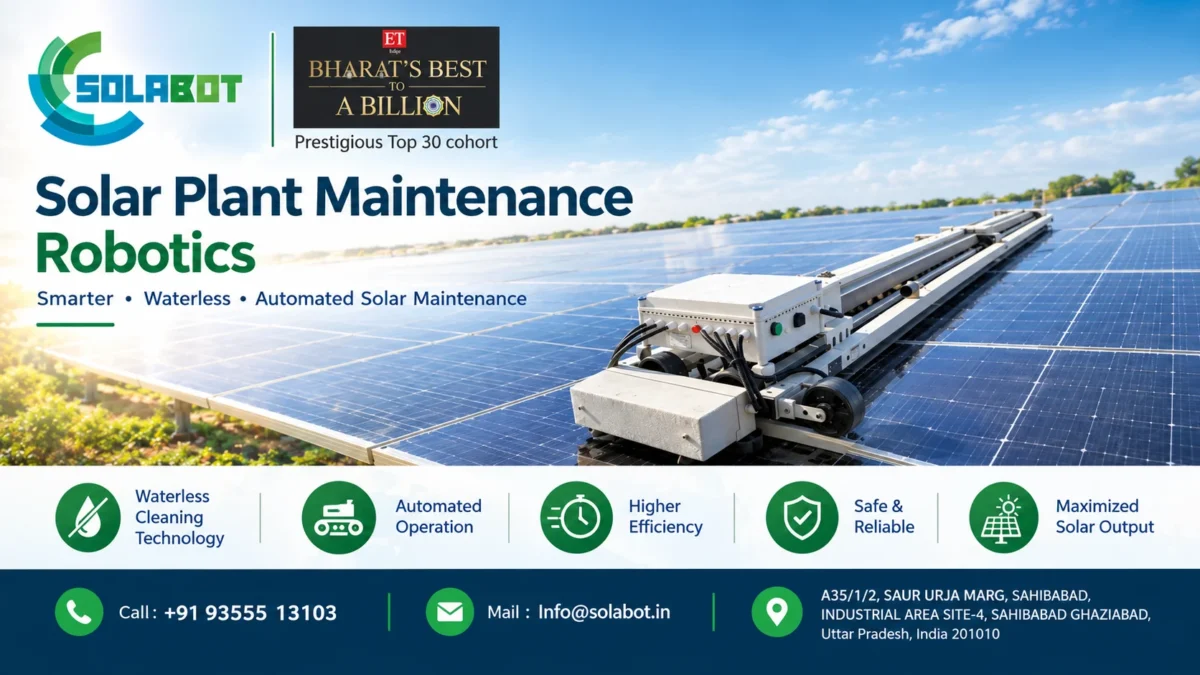
Solar Plant Maintenance Robotics: Automated Solar Panel Cleaning Solutions
Solar energy is booming worldwide and large solar plants need regular maintenance to keep the panels working properly. Solar panels can become covered with dust, dirt, pollen, bird droppings and other particles that may reduce the amount of sunlight reaching the photovoltaic cells. This can impact the plant’s performance and require frequent cleaning.
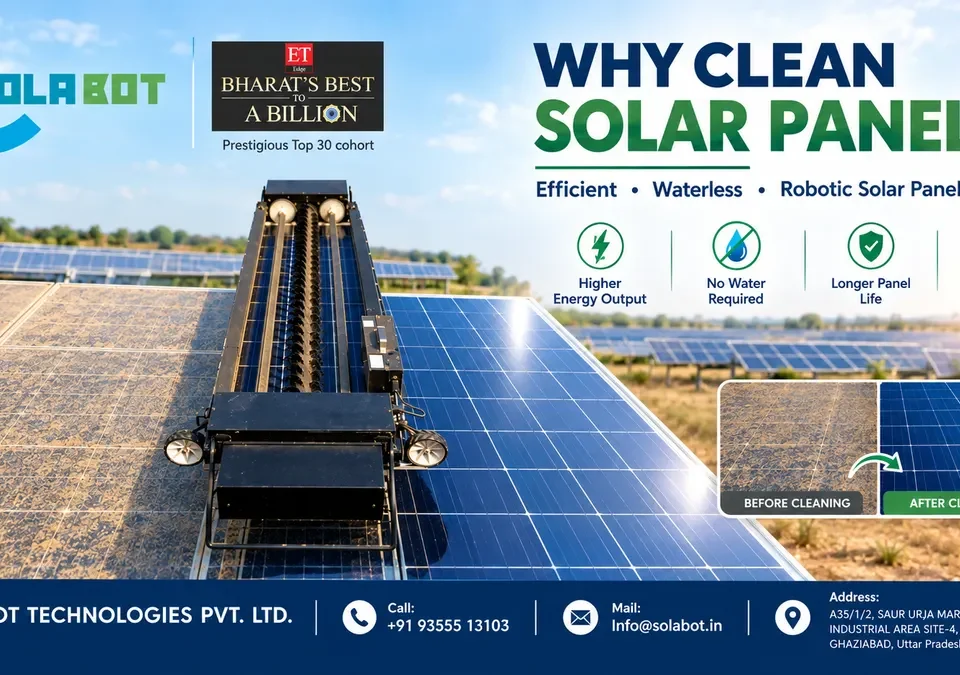
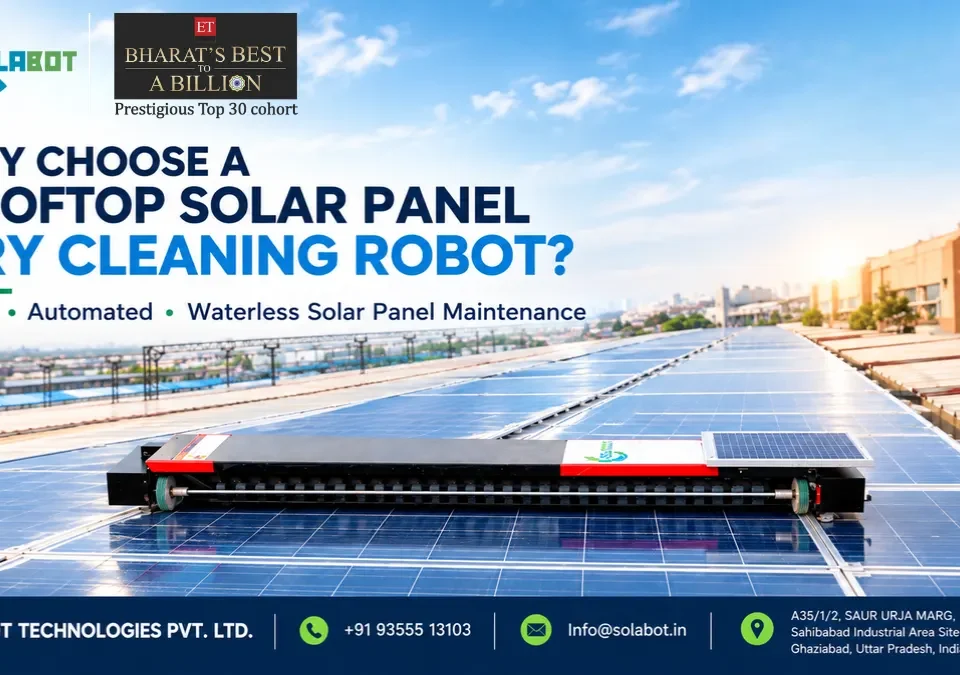
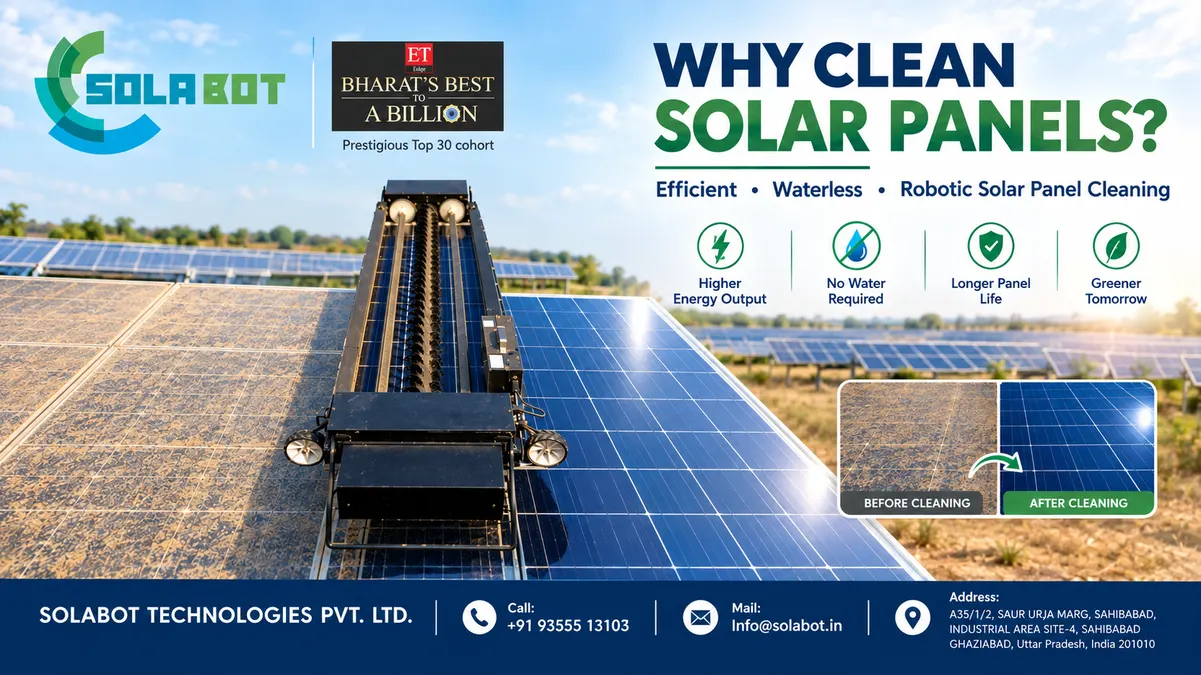
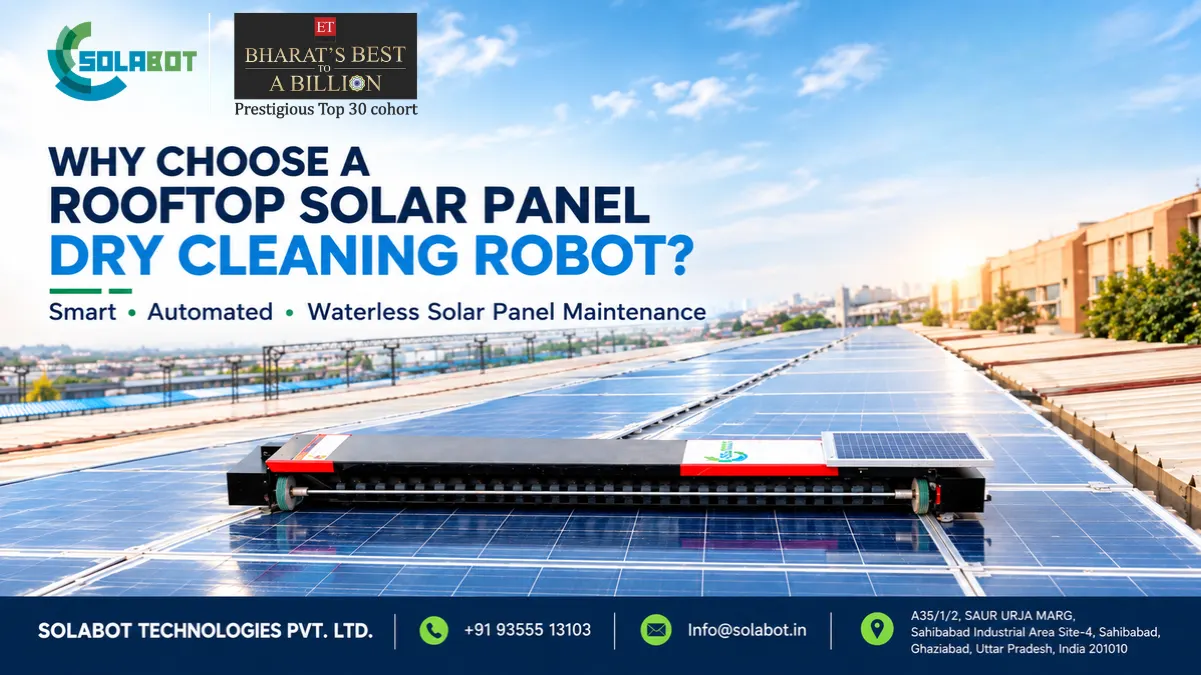
This repetitive work is handled easily and automatically with Solar Plant Maintenance Robotics. Robotic systems can traverse solar panels and clean off dust, rather than having teams of people to do it manually. Solabot Technologies Pvt. Ltd. is a brand and website that develops robotic dry-cleaning solutions for solar panels.
What is Solar Plant Maintenance Robot ?
Solar Plant Maintenance Robotics. is the use of automated robots to assist with solar panel maintenance, particularly cleaning. Suitable cleaning mechanisms are used to build these robots to move along or across the solar modules and remove dust and loose dirt.
This can be useful for large solar farms that have thousands or even millions of panels that need to be cleaned on a regular basis. Manually cleaning such large areas can require workers, water, transportation, equipment and careful planning.
Why do we need to clean solar panels regularly?
Solar panels are installed outside for their entire operational life. It exposes them to dust, weather, pollution, pollen and other environmental conditions. In dry, semi-arid, industrial and agricultural areas dust may be more of a problem.
Dust on the surface of a panel may block some sunlight from reaching the photovoltaic cells. The impact on energy generation varies with local conditions, dust type, rainfall, panel angle, weather and frequency of cleaning.
Plant operators can manage this issue by regular maintenance. Traditional cleaning may include:
- Manual cleaning
- Water storage, water tanks
- Cleaning brushes and equipment
- Transportation on the solar site
- Scheduling and superintendence
- Planning for Worker Safety
How Robotic Solar Cleaning Works?
Modern robotic cleaning systems are intended to move across or along solar panels, wiping their surfaces. Solabot Technologies Pvt. Ltd. calls its robotic systems dry-cleaning systems, highlighting features such as waterless operation, automated cleaning, soft-brush technology and less manual effort.
A typical process can involve:
- Site assessment – Checked layout and arrangement of panels.
- Robot deployment – The robotic equipment is deployed as per the site setup.
- Movement – The robot moves along chosen rows of panels.
- Dust removal – Cleaning components remove dust and loose contaminants .
- Scheduled cleaning – Cleaning can be scheduled around plant requirements.
- Inspection – Operators are able to view the system and service it when needed.
Advantages of Robotics in Solar Plant Maintenance
1. Less manual labor
Big solar plants have big arrays of panels. Automating repeated cleaning work, reducing manual intervention. This gives maintenance teams more time for inspection, troubleshooting, service and other activities.
2. Reduced Water Dependency
“Water can be challenging to manage in arid regions . Waterless robotic cleaning could potentially reduce the need for traditional water-based panel washing.
3. Cleaner More Consistently
Worker availability, weather, logistics and site conditions can all affect manual cleaning schedules. Robots can assist with scheduled and routine cleaning, allowing operators to maintain a more organized maintenance routine.
4. Improved Cost Control
Labor, water, transport, equipment and supervision may all be involved in solar maintenance costs. Robots could help reduce some of these reoccurring costs. Actual financial benefit will depend on plant size, local conditions, frequency of cleaning, and robot cost and operating needs.
5. Enhanced Worker Safety
Solar plants can be large and have hot, difficult, or challenging working conditions. Minimizing repetitive cleaning activities carried out directly by workers can help to mitigate exposure to some operational risks.
6. Maintenance at Scale
Robotics for solar plant maintenance can be deployed at utility-scale solar plants, industrial solar projects, commercial rooftops and solar parks. The right system depends on variables like layout, access, panel design and operating conditions.
Why Solabot Technologies Pvt Ltd?
Solabot Technologies Pvt. Ltd. specializes in robotic dry-cleaning solutions for solar panels. In its published corporate information, the company said its solutions are built around the practical problem of dust accumulation and the resulting reduction in solar output.
The company is pushing robotic solutions with automatic operation, waterless cleaning, soft-brush cleaning and less manual intervention. Description of solutions for solar projects commissioned and under construction.
It is important that organizations considering Solar Plant Maintenance Robotics.. evaluate plant layout, panel configuration, terrain, dust conditions, cleaning requirements and maintenance strategy before choosing a system.
Where is Robotic Solar Cleaning applicable?
Automation is a good fit for utility-scale solar farms, with their large number of modules and regular cleaning requirements. Robotic cleaning can be used to assist in the routine maintenance of industrial solar plants found at factories, warehouses and manufacturing sites.
Commercial rooftops often have limited access and work space. Where site design permits, Solar Plant Maintenance Robotics. can assist with recurring panel cleaning.
Things to Consider Before Selecting a Robot
Before choosing Solar Plant Maintenance Robotics., plant operators should look at these:
- Panel size and layout
- Tracker or fixed-tilt systems
- Tilt of the panel
- Spacing between rows
- Design of surface and frame
- Local dust concentrations
- Cleaning frequency needed
- Availability of water
- Requirements for charging a robot
- Storage or docking needs
- Service & Support
A good site assessment can help determine if a robotic solution makes sense for the project.
Solar Plant Maintenance Robotics: The Future
solar plants are becoming bigger and more technology driven. As the industry expands, operators require maintenance techniques that can address large areas effectively. Solar Plant Maintenance Robotics. is part of this trend toward more automated solar operations.
Future systems could integrate robotics with sensors, remote monitoring, intelligent scheduling, diagnostics and data analytics. This can help operators to move toward more planned maintenance.
Robotic cleaning can be a component of a broader maintenance strategy for solar developers, EPC companies, plant owners and O&M teams.
Why Is Waterless Robotic Cleaning Important?
Water use is also an important consideration in solar maintenance. Traditional washing can need water depending on the size of the plant and cleaning methods used. For situations where mechanical cleaning is suitable, dry robotic systems are an option.
This allows Solar Plant Maintenance Robotics. to support solar projects that want to reduce their water dependence while managing the regular cleaning of the panels.
Summary
Regular solar-panel maintenance is the key to keeping photovoltaic installations working efficiently. Dust and such contaminants can cause recurring cleaning issues, particularly for big solar plants.
Solar Plant Maintenance Robotics. provides an automated alternative to repetitive panel cleaning. It can help with less manual effort, less dependence on water, organized cleaning schedules, worker-safety improvements and better maintenance management.
Solabot Technologies Pvt. Ltd. builds robotic dry cleaning solutions for solar-panel maintenance. To learn more about it, users can visit the Solabot Technologies Pvt. Ltd. website and check out the robotic solutions on offer.
The optimal solution will depend on the size, design, environment and maintenance requirements of each solar project. With the right evaluation and planning, robotic cleaning can help establish a more structured and scalable solar maintenance process.