Waterless Solar Panel Cleaning System: A Smarter Way to Keep Solar Panels Efficient
August 13, 2026
Robotic Solar Cleaning Technology The Future of Efficient Solar Maintenance
August 24, 2026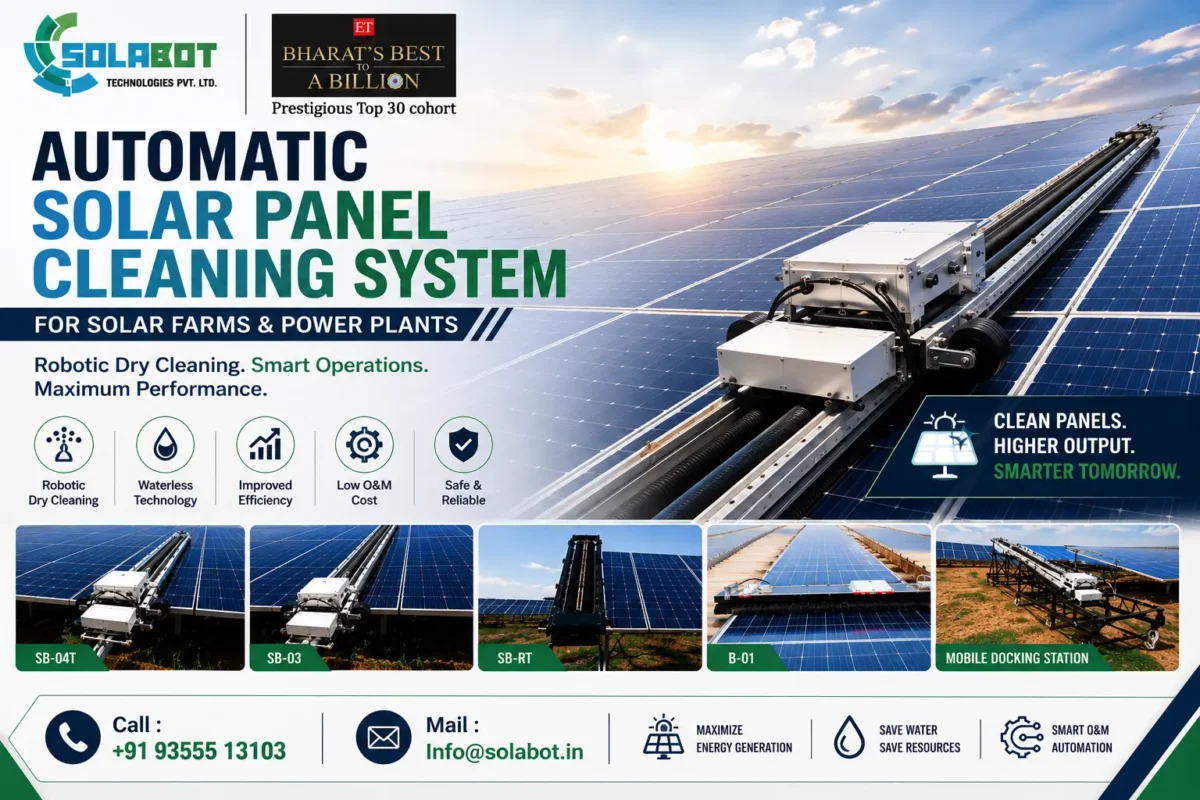
Automatic Solar Panel Cleaning System for Solar Farms & Power Plants
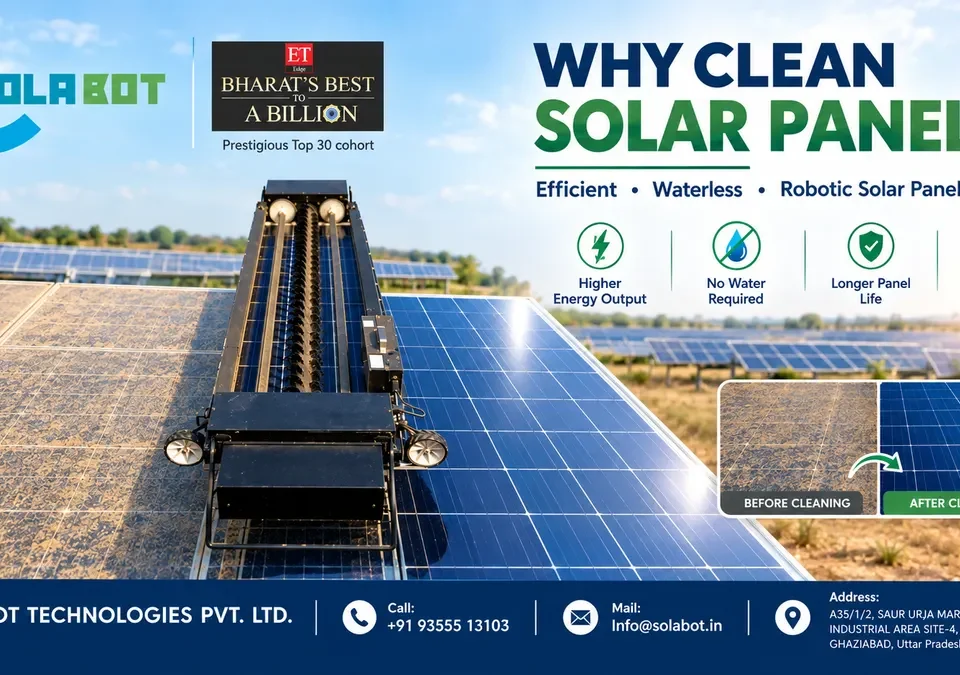
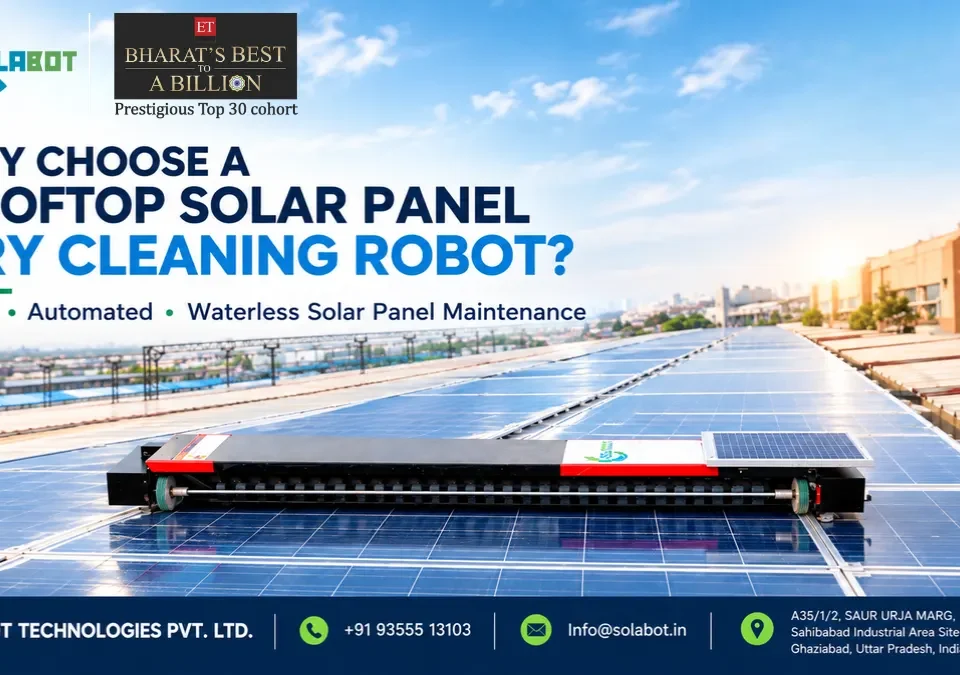
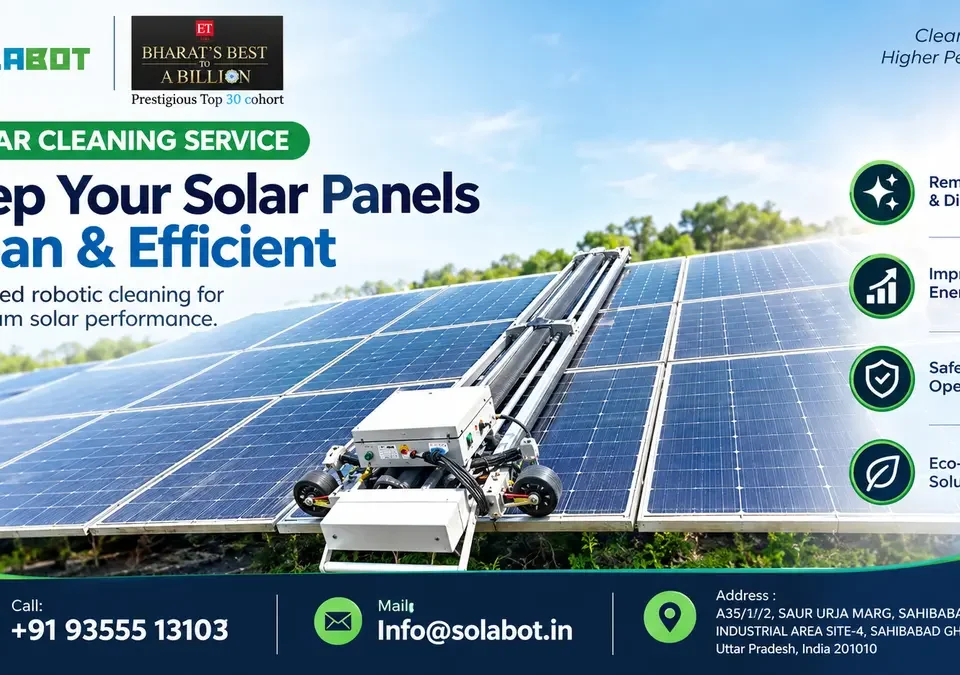
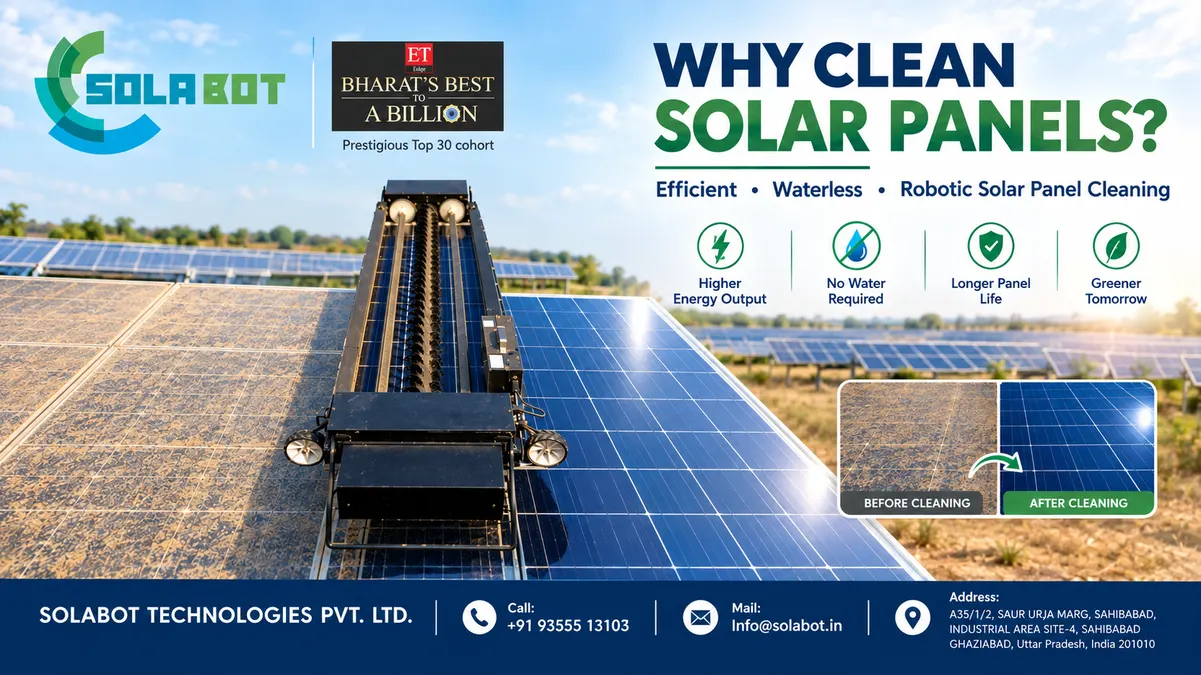
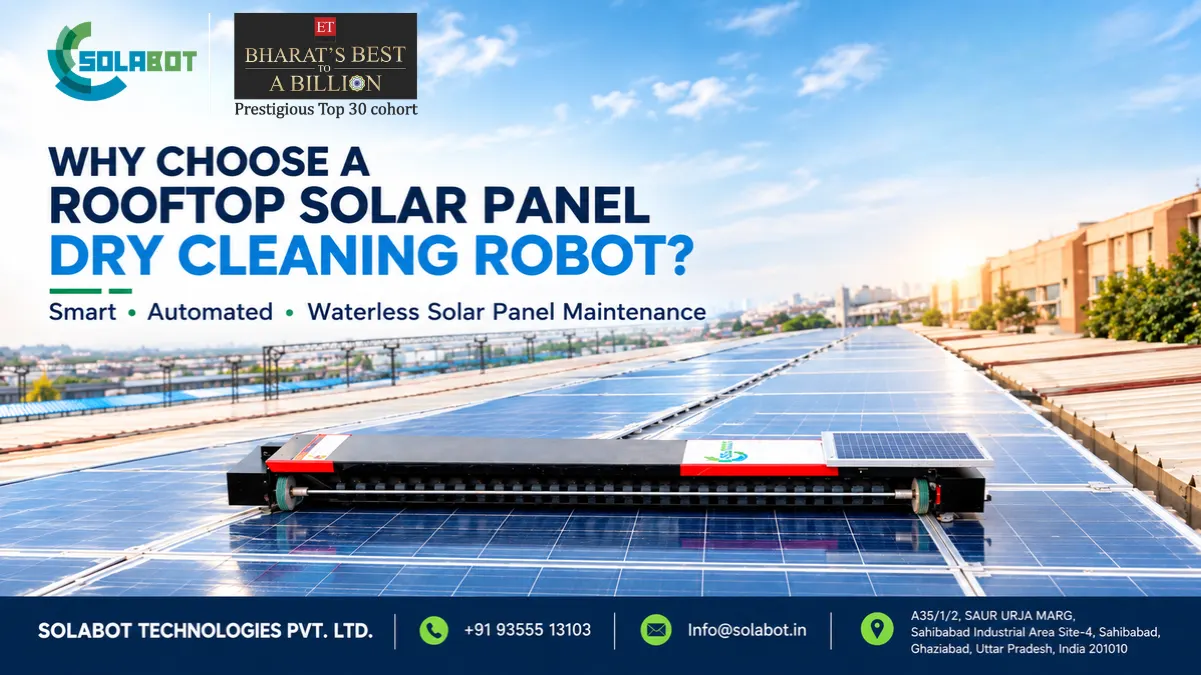
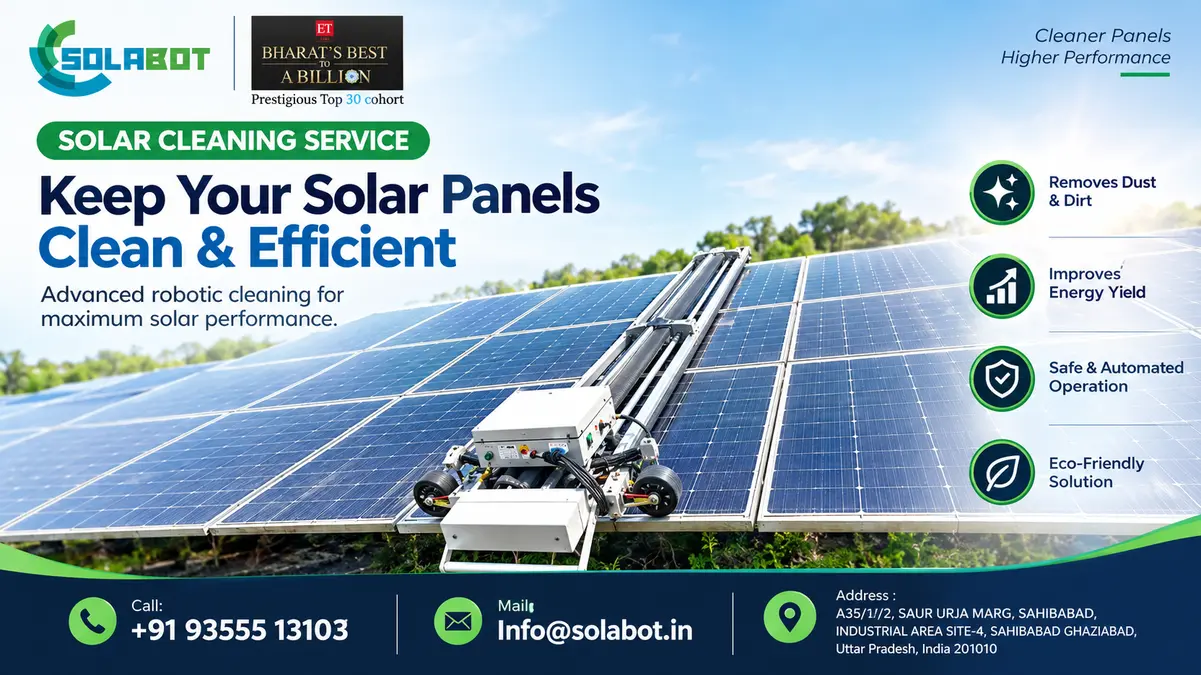
Automatic Solar Panel Cleaning System is a technology developed to clean the dust and other loose dirt from the PV modules with less manual operation. The modern robotic systems can be programd to follow the pre-defined lines of solar panels and execute cleaning tasks as per system design and project specifications. Automated equipment can perform a lot of the repetitive work in cleaning and can transform how routine panel maintenance is managed across large solar farms and power plants.
Key Findings
- Very little human involvement
- Robots in cleaning activities
- Dry or wetless cleaning method
- Good for large solar systems
- Less reliance on manual labor
- Tailored to project and site requirements
Why Solar Farms Need Automated Cleaning
Solar farms can cover very large areas, with photovoltaic panels arranged in long rows and multiple sections. Cleaning an installation of this scale manually can require substantial workforce coordination.The challenge becomes even greater when cleaning needs to be performed frequently.Robotic Dry Cleaning for Solar Panels. Robotic dry cleaning is an important area of development in modern solar maintenance.Conventional manual washing can be highly dependent on water. Water-based cleaning can be effective but not always practical for large solar projects in areas with limited water resources. Dry-cleaning technology is another option. It is not washed with normal water. Instead, it employs special robotic mechanisms to clean away the dust. This approach is likely to be especially relevant for solar farms in arid and semi-arid environments. Solabot Technologies Pvt. Ltd. offers robotic dry-cleaning solutions for solar operators to find robotic solutions to labor intensive cleaning processes.
Key Highlights of Robotic Dry Cleaning
Dry Cleaning: Removes dust without conventional water washing.
Robotic Automation Reduce manual repetitive cleaning operations
- Water Reduction : reduces dependency on water intensive cleaning techniques.
- Mass Deployment : Particularly relevant for large solar farms and power plants.
Advantages of an Automatic Solar Panel Cleaning System
1. Less Manual Labor
Routine cleaning of large solar plants may need a significant number of people. An automated system reduces the need for workers to clean large panel arrays on a continual basis.
But automation does not eliminate the need for skilled O&M personnel. Instead, it allows manpower to be deployed for more productive activities, such as inspections, maintenance, troubleshooting and plant monitoring.”
2. Reduced Dependence on Water
Many solar projects have water management problems.
Solar farms can be built in locations where water is scarce or where it is difficult and costly to transport large quantities of water to the site.
A robotic dry-cleaning system can help to reduce reliance on water-intensive cleaning methods and is thus an attractive option for water-sensitive environments.
3. Cleaner, More Consistent Operations
Automation can help you to have a more regular cleaning schedule. Robots can help with repetitive cleaning tasks, based on the needs of the project, not the availability of the workforce.
This uniformity is especially useful where dust is likely to settle frequently.
4. Lower Operational Effort
Manual cleaning of a large solar farm requires workforce planning, equipment handling, transportation, and site coordination.
Robotic automation can assist in making many of these routine operational activities easier to cope with.
Suitable for Large Solar Projects
The larger the solar installation, the more valuable scalable automation can become.
An automatic solar panel cleaning system can be particularly useful for:
- Utility-scale solar farms
- Solar farms
- Large commercial solar plants
- Industrial solar projects
- Ground-mounted PV installations
How the Robotic Cleaning Process Works
The exact operation depends on the robotic system and solar plant configuration. Normally, the robotic cleaning solution is designed to walk on the photovoltaic module surface or on rows of panels to be cleaned. Specialized cleaning components remove deposited dust and loose contaminants. An example of an automated cleaning flow can be:
- Robot position The cleaning robot is set in its designated place.
- Activation Cleaning The cleaning process is initiated by a programd or controlled process.
- Section Through Panel Motion The robot slides over its allotted area of solar panel.
- Dry Cleaners The robotic system cleans off the accumulated dust by its dry-cleaning process.
- In the Wake of the Cleaning The robot continues on the planned cleaning path.
- Return Home or Docking Position Once the operation is complete, the robot will return to its assigned home or docking position.
SB-SCADA for Intelligent Monitoring The future of solar O&M will be more and more about automation, monitoring and data-driven decision making. Solabot’s SB-SCADA solution adds an extra layer of monitoring and control to its robotic solar cleaning ecosystem. SCADA technology is commonly used in industry for monitoring equipment and running processes. Intelligent monitoring of solar cleaning applications can make operators more aware of the robot operations and the cleaning activities. Solar plant operators are advancing toward a connected solar O&M automation model with robotic cleaning and monitoring technologies. It can also help to facilitate better operational planning and less dependence on manual supervision. Solabot Solar Cleaning Solutions Robotic Solabot Technologies Pvt Ltd provides robotic dry-cleaning solutions for solar panels, which cater to the growing needs of today’s solar projects.
Its product portfolio includes:
Each solution is designed to address different requirements within the broader robotic solar cleaning ecosystem.
Why Choose Solabot Technologies Pvt. Ltd.?
Solabot Technologies Pvt. Ltd. solves a real-world problem faced by operators of solar plants, namely how to keep photovoltaic modules clean in an efficient and sustainable manner. It is about robotic dry-cleaning technology that offers solar projects a solution to reduce manual cleaning needs and water-dependence. The portfolio includes B-01, SB-03, SB-04T, SB-RT, Mobile Docking Station and SB-SCADA and provides solutions for various aspects of automated solar cleaning and monitoring. With Solabot’s expertise in both commissioned and under construction projects, solar stakeholders are able to assess automation according to the stage and needs of their project.
Conclusion
As solar farms and power plants continue to grow the need for effective, scalable and technology driven maintenance solutions continues to increase Dust build-up is a perennial problem, particularly in dry and dusty conditions where cleaning may be required on a frequent basis. An automatic solar panel cleaning system offers a means to automate this repetitive maintenance activity, while reducing manual intervention and reliance on traditional water-based cleaning. Robotic dry-cleaning technology offers potential benefits for large solar installations where operational efficiency, water conservation and consistent maintenance are important considerations. Solabot Technologies Pvt. Ltd. is helping solar projects to move toward smarter and automated O&M practices, including robotic solar panel cleaning, dry-cleaning technology, mobile docking and SCADA-based solutions. As the solar industry continues to grow, robotic cleaning can be an increasingly important part of maintaining long-term performance and operational efficiency of solar assets.
Related posts