
Why Clean Solar Panels? Importance, Benefits & Robotic Cleaning Solutions
October 7, 2026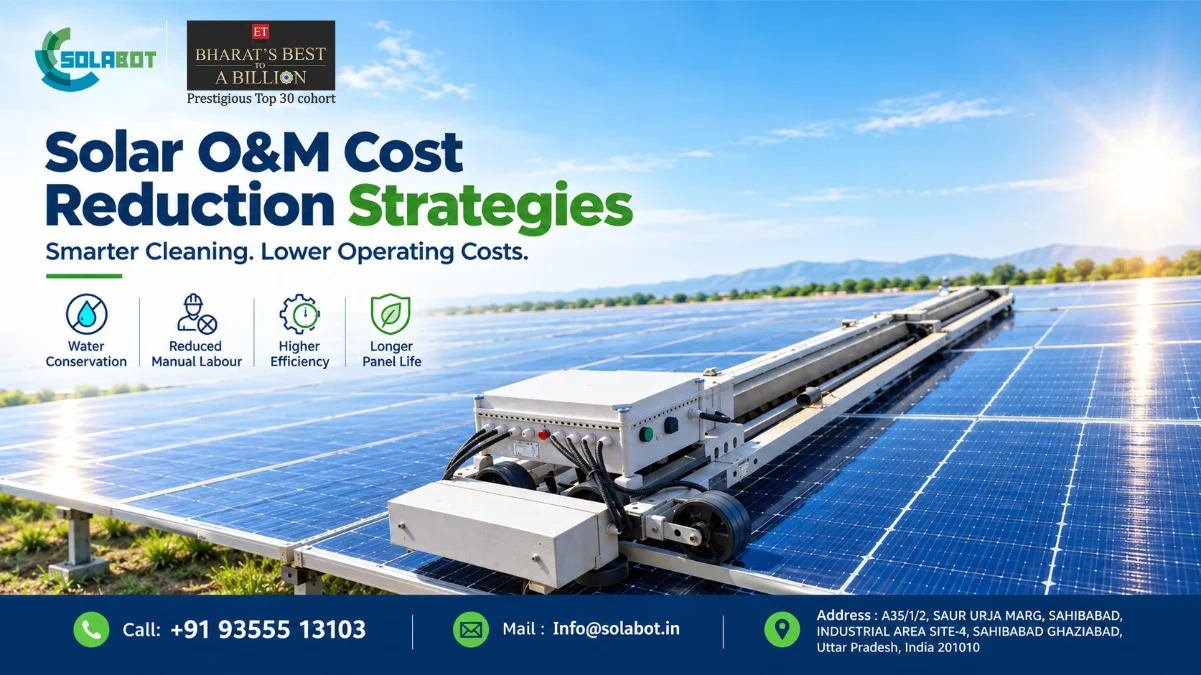
How Robotic Cleaning Helps Reduce Solar Plant Maintenance Costs
Solar power plants require regular monitoring, cleaning, inspection, and maintenance to maintain consistent energy generation. Although solar systems have relatively low operating requirements compared with many conventional power plants, ongoing expenses can increase when maintenance is inefficient. For solar developers, EPC companies, asset owners, and plant operators, Solar O&M Cost Reduction Strategies are essential for improving long-term profitability without compromising system performance.
Solabot Technologies provides robotic solar panel cleaning solutions designed to reduce manual intervention and support efficient maintenance. By combining automation, planned maintenance, and performance monitoring, solar operators can manage recurring expenses more effectively.
Why Are Solar O&M Costs Important?
Operations and maintenance (O&M) costs include labour, panel cleaning, water supply, equipment inspections, repairs, vegetation management, and performance monitoring. These expenses vary depending on plant capacity, site conditions, equipment quality, and maintenance requirements.
Dust, sand, pollution, and bird droppings can accumulate on solar panels, reducing the sunlight reaching their surfaces. Inadequate maintenance can contribute to energy losses, while reactive repairs may increase operating expenses.
Implementing effective Solar O&M Cost Reduction Strategies helps plant operators identify unnecessary spending, reduce avoidable downtime, and maintain reliable energy production throughout the project lifecycle.
1. Adopt Robotic Solar Panel Cleaning
Panel cleaning can become a significant recurring expense at large solar installations. Traditional cleaning methods often require substantial manpower, transportation, water management, and repeated coordination across extensive panel arrays.
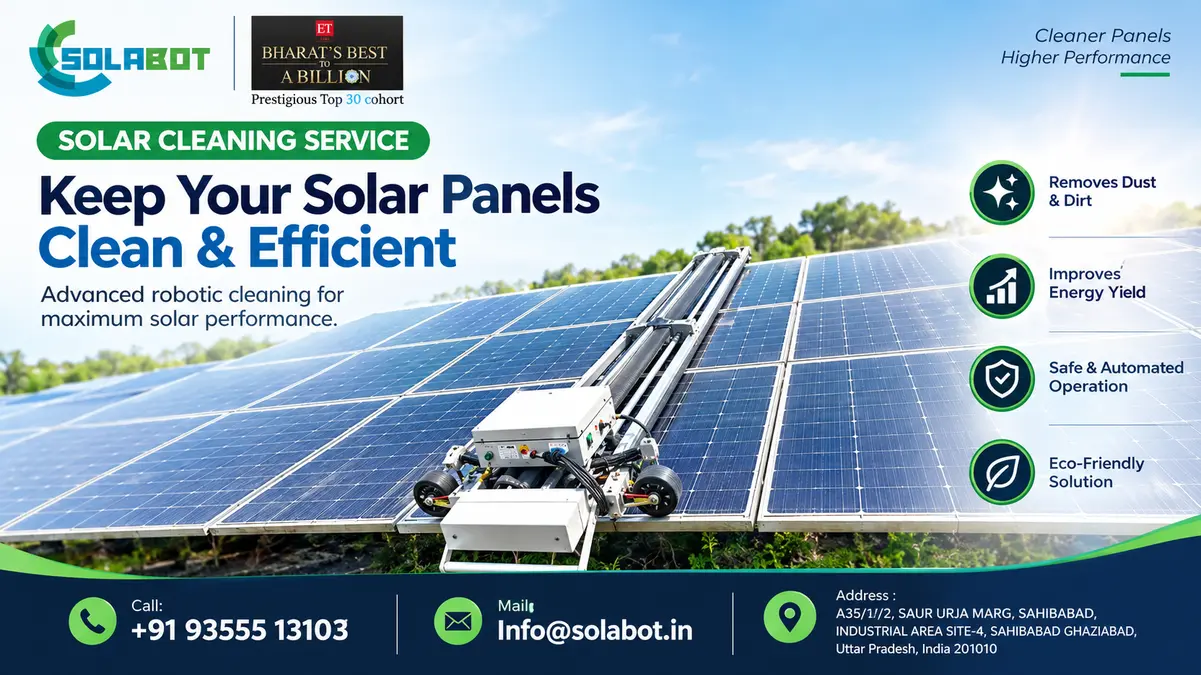
Robotic cleaning systems automate repetitive cleaning activities and help reduce dependence on manual labour. Depending on the site configuration and selected technology, robots can follow planned cleaning routines with less direct human intervention.
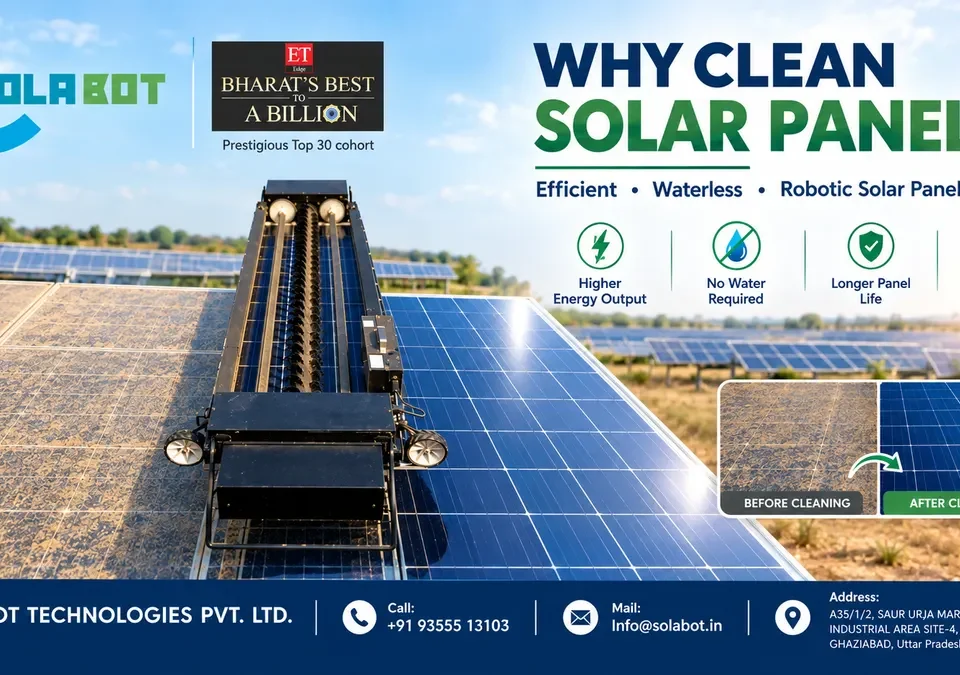
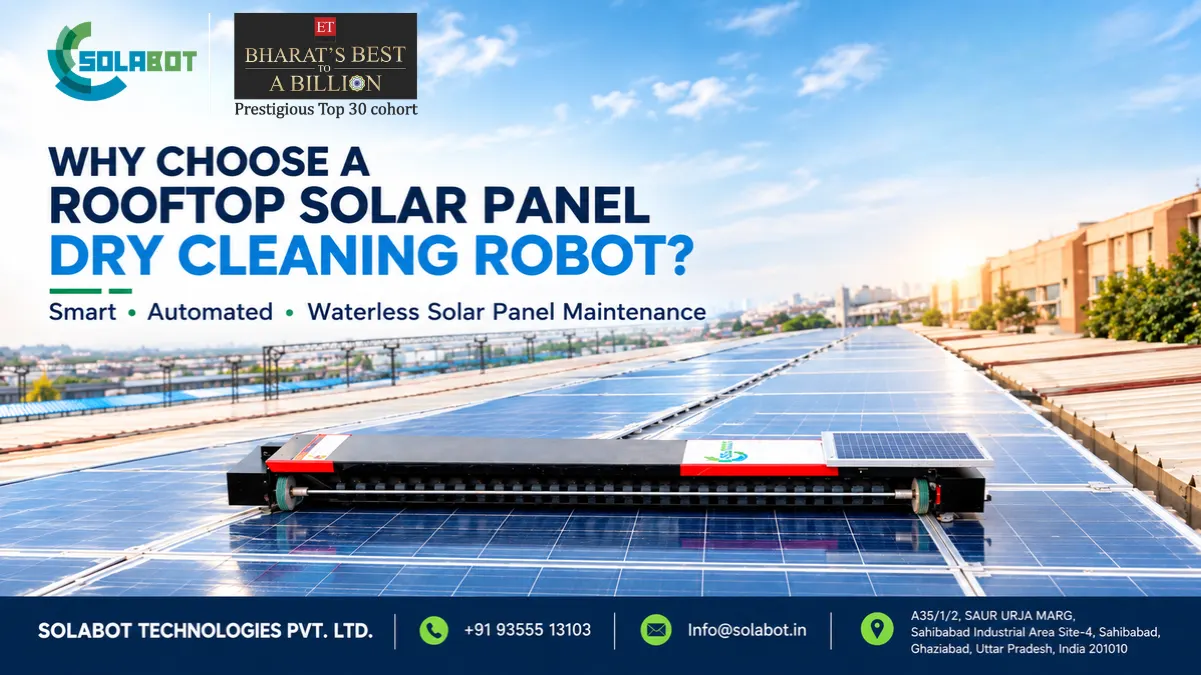
Solabot Technologies offers robotic dry-cleaning solutions for solar installations, helping operators make routine maintenance more systematic.
Key benefits include:
- Reduced reliance on manual cleaning teams.
- More consistent cleaning schedules.
- Lower water requirements with suitable dry-cleaning systems.
- Less repetitive work for maintenance personnel.
- Improved scalability across large solar arrays.
For plants with frequent soiling, robotic cleaning can be an important part of practical Solar O&M Cost Reduction Strategies. Actual savings depend on plant size, existing cleaning costs, robot utilisation, and site conditions.
2. Reduce Water Consumption During Cleaning
Water availability and transportation can influence the cost of maintaining solar installations, especially in dry regions. Conventional washing methods may require water storage, transportation equipment, and additional labour.
Dry robotic cleaning offers an alternative where it is suitable for the site’s panel configuration and environmental conditions. By reducing dependence on routine water-based washing, operators can potentially lower water procurement and logistics expenses.
However, cleaning methods must be selected according to module manufacturer recommendations, dust characteristics, and site conditions. Incorrect cleaning techniques can damage panels or affect warranties.
Water-efficient maintenance is among the most practical Solar O&M Cost Reduction Strategies for solar farms operating in areas where water is expensive or difficult to access.
3. Implement Preventive Maintenance
Waiting for equipment to fail can lead to expensive repairs and lost electricity generation. Preventive maintenance helps identify developing issues before they become major problems.
A structured maintenance programme should include inspections of electrical connections, inverters, cables, mounting structures, trackers, and other critical components. Operators should also investigate unusual temperature patterns, inverter alarms, and unexpected changes in energy output.
Preventive maintenance can help businesses:
- Identify faults at an early stage.
- Reduce emergency repair requirements.
- Minimise avoidable downtime.
- Improve equipment reliability.
- Plan maintenance budgets more accurately.
Combining scheduled inspections with condition-based monitoring strengthens Solar O&M Cost Reduction Strategies because maintenance decisions can be based on equipment condition rather than guesswork.
4. Use Performance Monitoring and Data Analysis
Monitoring system performance allows operators to identify underperforming sections, equipment faults, and unexpected generation losses. Comparing actual output with expected production helps maintenance teams investigate problems more quickly.
Useful indicators include energy generation, system availability, inverter performance, cleaning frequency, and the time required to resolve faults.
When these indicators are reviewed consistently, operators can identify recurring problems and direct maintenance resources towards the areas that need attention.
Data-driven Solar O&M Cost Reduction Strategies also help managers assess whether cleaning schedules are effective and whether automation is delivering measurable operational benefits.
5. Optimise Cleaning Frequency
Cleaning solar panels too frequently can increase labour and maintenance expenses, while infrequent cleaning may allow soiling losses to accumulate. The most economical approach is to establish a schedule based on actual site conditions.
Factors to consider include local dust levels, rainfall, seasonal changes, nearby industrial activity, and observed energy losses. Plants in dusty locations may require more frequent cleaning than installations in cleaner environments.
Operators can compare cleaning costs against recovered energy revenue to determine the most suitable maintenance frequency.
Robotic cleaning may make regular cleaning more practical for large arrays. As a result, optimising cleaning schedules is one of the most valuable Solar O&M Cost Reduction Strategies for balancing maintenance expenses with energy generation.
6. Reduce Unplanned Downtime
Unexpected equipment failures can increase repair expenses and reduce electricity production. A reliable maintenance system should therefore include fault reporting, spare-parts planning, clear escalation procedures, and regular equipment inspections.
Keeping essential spare parts available can reduce delays when components need replacement. Standard operating procedures also help technicians diagnose common faults more consistently.
Operators should record the cause of each major failure and use this information to prevent similar incidents. Over time, these improvements can make Solar O&M Cost Reduction Strategies more effective by reducing repeated repair work and unnecessary production losses.
Measure the Return on Investment of Automation
Automation requires an initial investment, so solar operators should evaluate its financial benefits before selecting equipment. A proper assessment should compare the existing maintenance process with the proposed automated system.
Consider these factors:
| Cost Factor | What to Evaluate |
|---|---|
| Labour | Current and expected cleaning labour expenses |
| Water | Water consumption, procurement, and transportation |
| Equipment | Purchase, installation, and operating costs |
| Energy generation | Potential recovery of soiling-related losses |
| Maintenance | Servicing, spare parts, and repair requirements |
| Utilisation | Cleaning capacity and frequency of operation |
The payback period depends on the project’s specific circumstances. A detailed cost analysis helps determine whether automation offers a suitable return and supports informed investment decisions.
For large installations, evaluating Solar O&M Cost Reduction Strategies through measurable operating data can help stakeholders prioritise investments with the strongest financial justification.
How Solabot Technologies Supports Efficient Solar Maintenance
Solabot Technologies develops robotic solar panel cleaning solutions intended to reduce repetitive manual work and support more efficient maintenance operations. Its product range includes different cleaning and automation options for solar installations.
Choosing the right solution depends on plant capacity, panel layout, tracker configuration, dust conditions, and the level of automation required. Solar operators should evaluate these requirements before selecting a system.
By integrating robotic cleaning into a broader maintenance programme, businesses can work towards lower recurring cleaning expenses, improved resource utilisation, and more consistent panel maintenance.
Conclusion
Reducing solar operating expenses requires more than cutting maintenance budgets. Businesses need to control recurring costs while protecting equipment reliability and energy generation. Robotic cleaning, water-efficient maintenance, preventive inspections, performance monitoring, and better planning can all contribute to more effective solar plant operations.
The most successful Solar O&M Cost Reduction Strategies are based on site-specific data, realistic cost comparisons, and measurable performance improvements. With suitable robotic cleaning technology and a well-planned maintenance programme, solar operators can build a more efficient and cost-conscious operation.
Solabot Technologies can help solar developers, plant owners, and O&M teams explore robotic cleaning solutions suited to their installation requirements.
Contact Solabot Technologies
Looking for effective Solar O&M Cost Reduction Strategies for your solar installation? Contact Solabot Technologies to explore robotic solar panel cleaning solutions that help reduce manual effort and operating costs.
Call: +91 93555 13103
Email: info@solabot.in
Address: A35/1/2, Saur Urja Marg, Sahibabad Industrial Area, Site 4, Sahibabad, Ghaziabad, Uttar Pradesh – 201010.
Solabot Technologies Pvt Ltd.
Follow Us on Instagram: Solabot Technologies on Instagram