Why Rooftop Solar Needs Dry Cleaning Robots?
October 3, 2026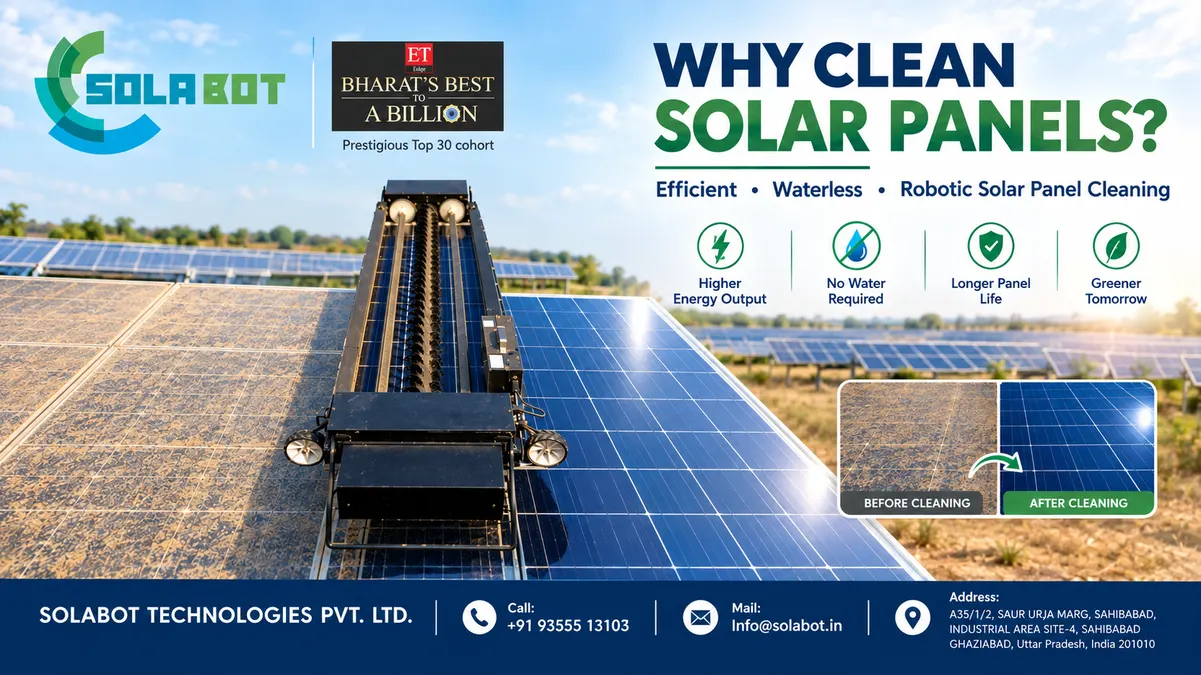
Introduction
Solar panels operate outdoors and are continuously exposed to dust, sand, pollen, bird droppings, pollution and other environmental particles. Over time, these contaminants can collect on the module surface and reduce the amount of sunlight reaching the photovoltaic cells. Regular cleaning is therefore an important part of solar plant operation and maintenance.
Why Clean Solar Panels is an important question for solar developers, EPC companies, plant operators and O&M teams. Cleaning is not only about keeping modules visually clear. It is also about maintaining the operating condition of a solar installation and supporting consistent energy generation. Solabot Technologies develops automatic dry-cleaning robotic solutions designed to reduce manual effort and operational costs across different solar applications.
Why Clean Solar Panels?
Why Clean Solar Panels regularly? Solar modules cannot avoid outdoor exposure. Dust and other deposits can build up between cleaning cycles, especially in dry, dusty or polluted environments. When the surface becomes heavily soiled, sunlight can be obstructed before reaching the photovoltaic cells.
For a solar plant, this can become an important operational concern when hundreds or thousands of modules are installed across a large area. Why Clean Solar Panels should therefore be considered part of planned maintenance rather than an occasional activity.
The required cleaning frequency depends on local weather, dust levels, pollution, rainfall, panel configuration and site conditions. There is no single schedule suitable for every solar project.
Effects of Dust and Dirt
One major reason behind Why Clean Solar Panels is the effect of soiling on the module surface. Common contaminants include dust, sand, leaves, pollen, bird droppings and industrial particles. These materials can accumulate differently depending on the location of the solar installation.
In a small rooftop system, manual cleaning may be manageable. In a utility-scale plant, however, moving workers and equipment across long rows can require considerable time and planning. Why Clean Solar Panels becomes even more relevant when a site experiences frequent dust accumulation.
Regular cleaning helps remove loose contaminants and supports better exposure of the module surface to sunlight. Solabot states that its robotic cleaning system can clean each row of solar panels daily and increase power production by up to 5%; actual results can vary according to site conditions and soiling levels.
Benefits of Regular Cleaning
Understanding Why Clean Solar Panels starts with the practical benefits of regular maintenance. A consistent cleaning routine can help maintain the condition of modules and reduce the accumulation of contaminants.
Key benefits include:
- Better sunlight exposure across the panel surface
- More consistent cleaning of large panel arrays
- Reduced dependence on repetitive manual work
- Better maintenance planning
- Lower water dependence when dry cleaning is used
- Support for efficient solar O&M operations
For large installations, Why Clean Solar Panels is also connected to asset management. Solar panels represent a long-term investment, so keeping them properly maintained is an important operational responsibility.
Regular cleaning can also make maintenance more predictable. Instead of waiting until panels become heavily soiled, operators can establish cleaning routines based on environmental conditions and the requirements of the project.
Why Waterless Cleaning?
Another reason Why Clean Solar Panels should be planned carefully is water availability. Conventional washing can require water, equipment, transportation and workers. In water-stressed regions, repeated water-based cleaning can increase operational complexity.
Solabot focuses on waterless robotic cleaning technology. Its website highlights fully automatic cleaning machines, self-powered machines, waterless cleaning robots and ultra-soft PBT brushes for efficient cleaning.
For projects in dry regions, Why Clean Solar Panels with a waterless approach can be particularly relevant. Dry robotic cleaning can reduce dependence on water for routine panel maintenance while supporting a more automated process.
The appropriate cleaning method still depends on panel design, contamination type, installation layout and site conditions.
Why Use Robotic Cleaning?
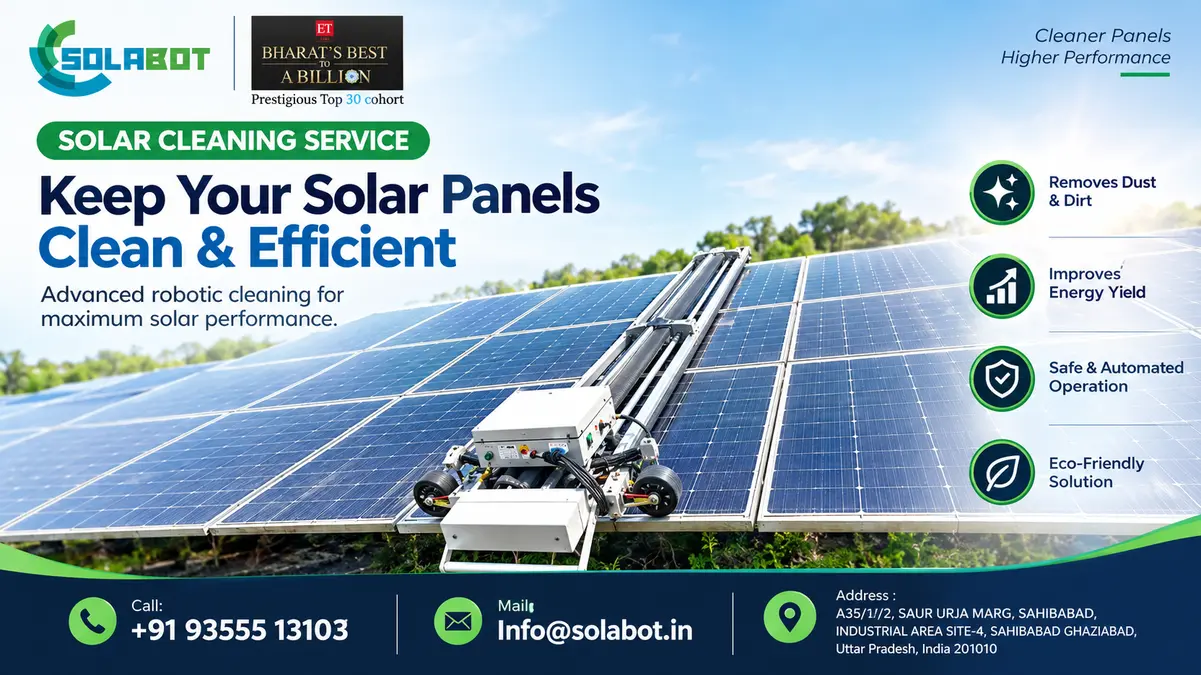
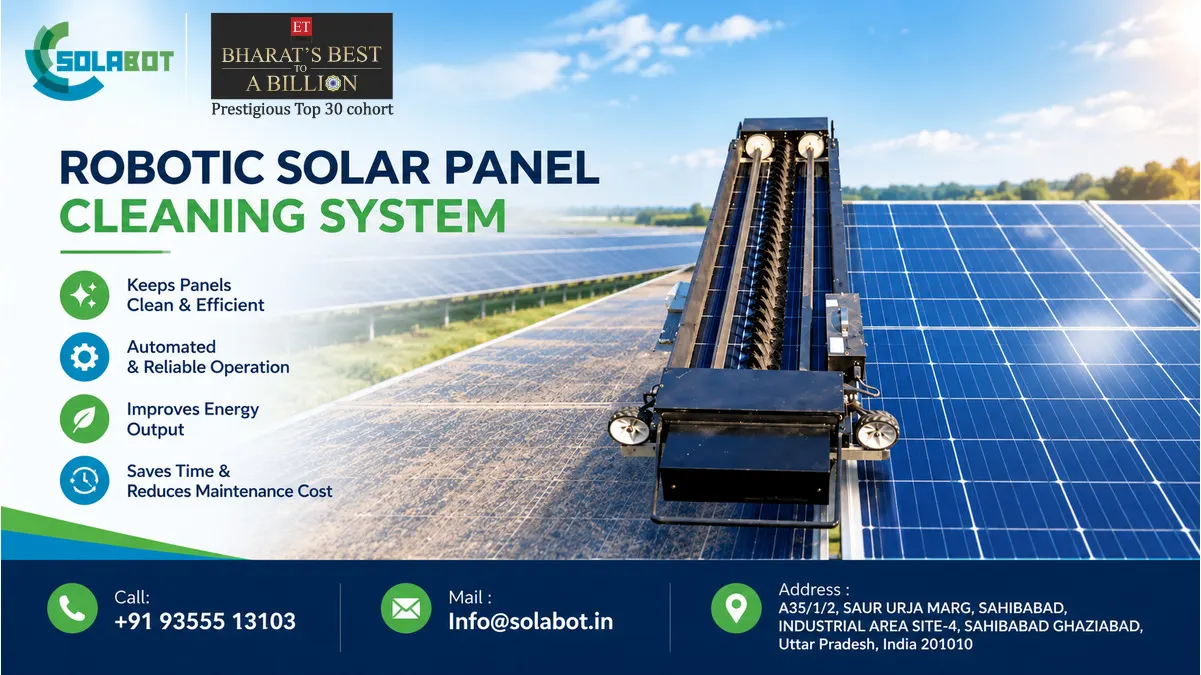
When asking Why Clean Solar Panels, the next question is how to clean them efficiently. Robotic cleaning can automate repetitive cleaning tasks and reduce the amount of manual intervention required.
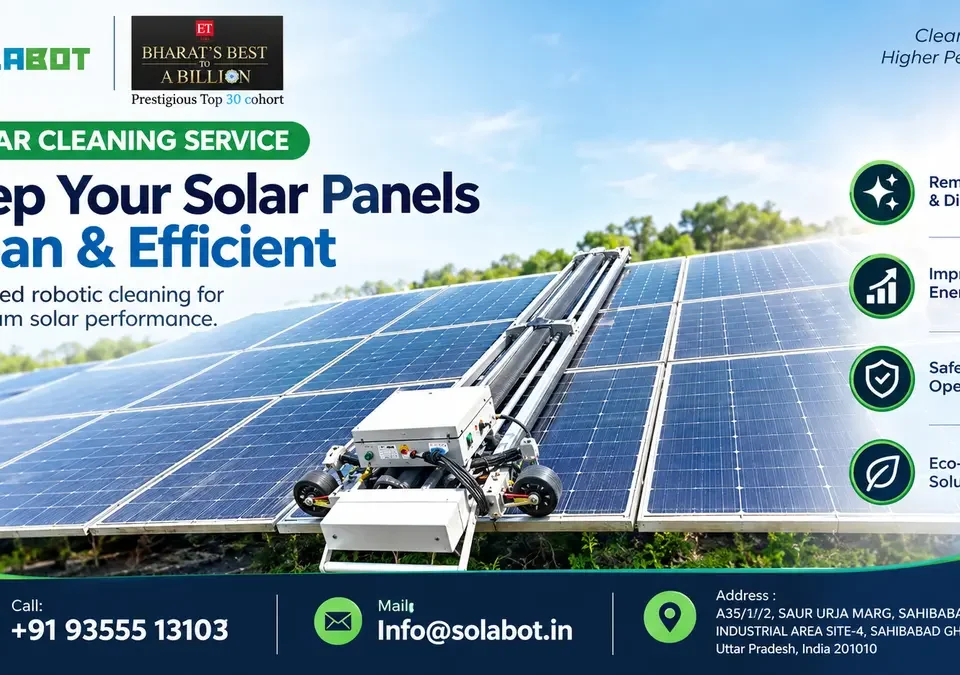
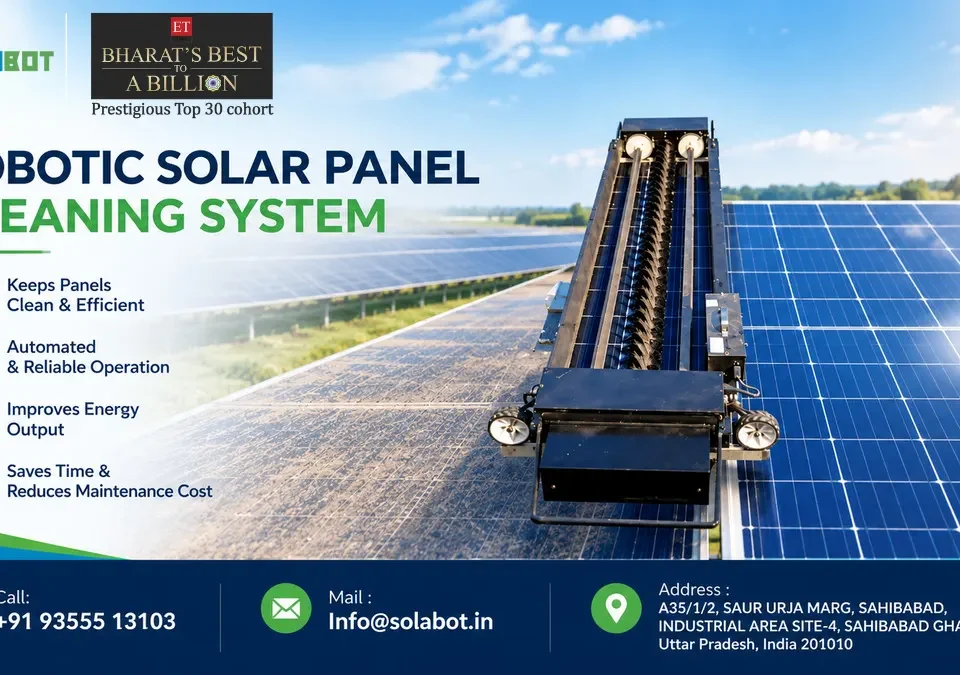
A robotic system moves along designated panel rows and uses its cleaning mechanism to remove loose dust and contaminants. Depending on the model, operation may be fully automatic, semi-automatic or designed for specialized tracker and rooftop applications.
For large solar farms, Why Clean Solar Panels with robotic technology can be answered through consistency, reduced manpower and scalable operation. Advanced systems can also include self-charging, docking and centralized monitoring.
This approach is particularly useful where cleaning has to be repeated frequently across extensive solar arrays.
Solabot’s Cleaning Robots
Solabot offers multiple robotic solutions rather than one system for every installation. This allows operators to select technology according to their project configuration.
SB-01 Dry Cleaning Robot: This fully automatic solution features self-charging, manpower-less operation and SCADA control and monitoring.
SB-03 Dry Cleaning Robot: This semi-automatic model provides manual control, portable battery operation and reduced manpower requirements.
SB-04T Dry Cleaning Robot: Designed for tracker installations, this solution offers tracker-automatic operation, self-charging and manpower-less operation.
Mobile Docking Station: This fully automatic system provides self-charging, manpower-less operation and fast response.
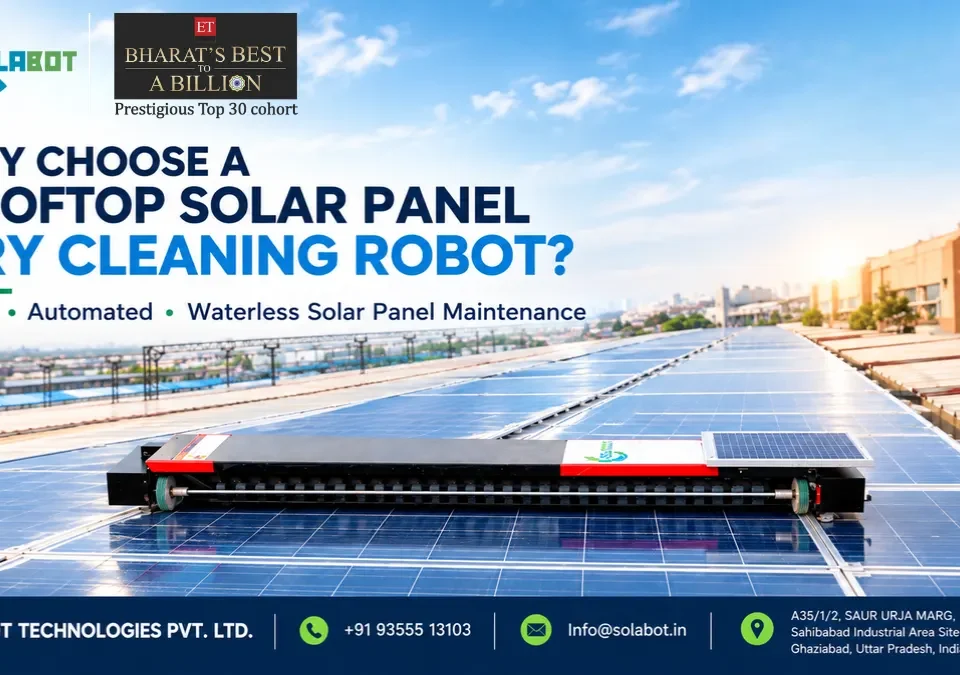
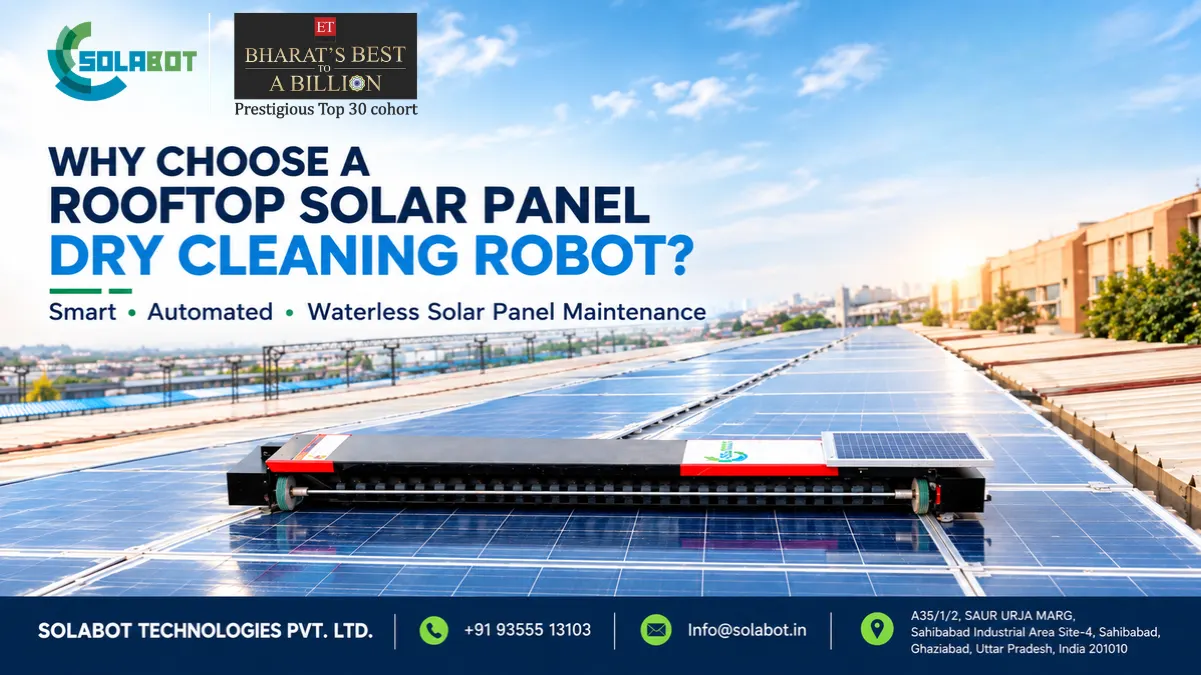
SB-RT Rooftop Cleaning Robot: Designed specifically for rooftop solar installations, it supports automated cleaning with features suited to rooftop operating conditions.
Solabot also offers SB-SCADA for centralized control, real-time monitoring, robot position tracking and reporting on larger projects.
Solabot Solar Cleaning Solutions
| Cleaning Solution | Operation | Key Features | Suitable For |
|---|---|---|---|
| SB-01 Dry Cleaning Robot | Fully Automatic | Self-Charging, Manpower-Less, SCADA Monitoring | Large Solar Plants |
| SB-03 Dry Cleaning Robot | Semi-Automatic | Manual Control, Portable Battery, Less Manpower | Flexible Cleaning Applications |
| SB-04T Dry Cleaning Robot | Tracker Automatic | Self-Charging, Manpower-Less, Fast Response | Tracker Solar Plants |
| Mobile Docking Station | Fully Automatic | Self-Charging, Manpower-Less, Fast Response | Large Solar Projects |
| SB-RT Rooftop Cleaning Robot | Automated | Self-Charging, Manpower-Less, Fast Response | Rooftop Solar Systems |
| SB-SCADA | Centralized Monitoring | Centralized Control, Real-Time Monitoring, Robot Tracking | Large Automated Solar Plants |
This comparison helps solar developers, EPC companies and O&M teams understand the differences between Solabot’s available robotic cleaning configurations. The final selection should be based on the panel layout, installation type, cleaning frequency and required automation level.
Why Automation Matters
Why Clean Solar Panels becomes a larger operational question as the number of modules increases. Manual cleaning may be practical for smaller systems, but large solar plants require repetitive cleaning across extensive areas.
Automation can help O&M teams reduce routine manual intervention and create more consistent cleaning cycles. Self-charging and docking capabilities can support repeated operation, while centralized monitoring can give operators better visibility into robot operation.
For utility-scale projects, Why Clean Solar Panels using automated technology can therefore be linked to labour management, water reduction, operational consistency and maintenance planning.
Instead of treating cleaning as an occasional manual task, automation can make it part of a structured O&M process.
Why Choose Solabot?
Solabot Technologies has 10 years of experience developing automatic dry-cleaning robotic solutions for solar panels. The company currently highlights 152+ projects, 14+ states in India, 12,422+ robots installed and 40+ satisfied customers. It also lists a 38,000 sq. ft. integrated manufacturing facility, dedicated service engineers in eight states and in-house customer care.
These capabilities make Why Clean Solar Panels easier to address through a structured technology solution. Solabot’s portfolio covers different applications, including utility-scale solar farms, rooftops, commercial and industrial plants and tracker systems.
The company also states that it has received compatibility certification from 16 Tier 1 module manufacturers. Its solutions are designed to reduce manual effort, reduce water dependence and support efficient solar maintenance.
For project owners, selecting the right robotic system should depend on panel configuration, installation type, cleaning frequency, water availability and the required level of automation.
Conclusion
So, Why Clean Solar Panels? Because dust and other contaminants can accumulate on photovoltaic modules and interfere with sunlight reaching the cells. Regular cleaning helps maintain the panel surface and supports consistent solar plant operations.
For large installations, Why Clean Solar Panels is not simply a cleaning question; it is an O&M planning decision. Waterless robotic systems can provide a practical alternative where manual and water-based cleaning create greater operational demands.
Solabot provides fully automatic, semi-automatic, tracker, rooftop, docking and centralized monitoring solutions. Choosing the right system depends on the solar installation, panel configuration, cleaning frequency, environmental conditions and desired level of automation.
Looking for Robotic Solar Panel Cleaning Solutions?
Solabot Technologies Pvt. Ltd. provides robotic dry-cleaning solutions designed to reduce manual effort and operational costs in solar panel maintenance. The company offers different robotic solutions for various solar installation configurations and automation requirements.
Call: +91 93555 13103
Email: Info@solabot.in
Address: A35/1/2, SAUR URJA MARG, Sahibabad Industrial Area Site-4, Sahibabad, Ghaziabad, Uttar Pradesh, India 201010
For project-specific requirements, contact Solabot to discuss your solar plant configuration, panel layout, cleaning requirements and desired level of automation